If you want another location, you can move this ad
Position
Reference
Reference
If you want another location, you can move this ad
Madagascar – The downstream oil sector fully liberalized
The Ministry of Energy and Hydrocarbons is responsible for hydrocarbon policy and the Malagasy Hydrocarbons Office (OMH), a regulatory body under its supervision, ensures the supervision, regulation and control of the sector.
If you want another location, you can move this ad
Position
Reference
Reference
If you want another location, you can move this ad
The liberalization of the country's downstream oil sector in 1999 heralded a new era for the sector, which is managed by private operators. British Petroleum had requested a VAT exemption from the Malagasy government to continue its exploration activities; the world's third-largest oil company was then in its second phase of exploration in Madagascar. BP is now undergoing a strategic reorientation quantified at nearly 80% of its global portfolio. Thus, despite the investments made in the exploration phases and exploitation projects of four offshore oil blocks in Madagascar, the British major has opted for a radical about-turn, a decision accompanied by the return of its oil blocks to the Office of National Mines and Strategic Industries.
Madagascar Oil, the largest onshore company, focuses on oil development, exploration, and production. It holds the largest heavy oil resource in the Tsimiroro and Bemolanga oil fields. It is the sole operator in the Tsimiroro Contract Area, while operating in a farm-in relationship with Total SA, one of the supermajor oil companies. Madagascar Oil's projects are governed by Production Sharing Contracts signed in 2004 with OMNIS, a state-owned company. These contracts provide the Government of Madagascar with significant interests in future production. Tsimiroro is a major oil field in the onshore Morondava Basin in the west of the island. Madagascar Oil is engaged in the development of the Tsimiroro heavy oil field and in conventional oil exploration on five contiguous onshore blocks. The potential is estimated at 1.7 billion barrels and some 8 Gbbl of heavy crude oil.
If you want another location, you can move this ad
Position
Reference
Reference
If you want another location, you can move this ad
Commercialized natural gas
Butane gas is generally used in the Mining, Household and Industrial sectors. Since 2014, gas consumption in the latter sector has steadily increased year-on-year. The Mining sector accounts for an annual average of more than 401 metric tons of national consumption. However, annual gas deliveries to this sector remain unstable, constantly fluctuating since 2013. Gas has been the only petroleum product intended for export since the end of 2014. The country has exported an annual average of 440 metric tons of gas to the Comoros over the past three years (2016 to 2018).
The distribution
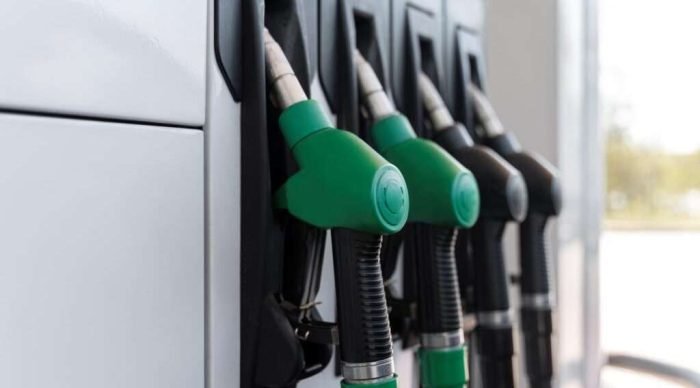
Four companies share the distribution of petroleum products in Madagascar: Total, Jovenna, Galenna (Rubis), and Vivo (Shell). These companies are grouped together within the GPM (Madagascar Petroleum Group). Every six months, the government meets with these companies to set pump prices so as not to pass on increases in oil prices to consumers. However, this price regulation creates debt for the oil companies. JIRAMA (the national water and electricity company) has itself become indebted to the oil companies and is struggling to secure sufficient supplies to ensure the mainly thermal electricity production in cities.