


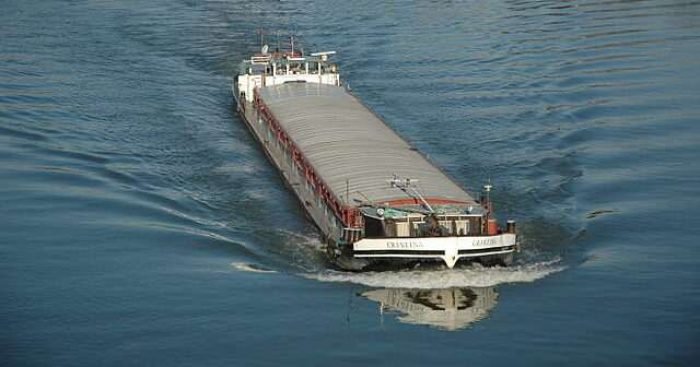
Cameroon has many rivers and lakes where it is possible to promote river and lake transport, which is an essential issue in reducing the deficit observed in the supply of transport infrastructure in Cameroon.
Cameroon is a navigable country over several kilometers. According to a study by the National Port Authority, 8 navigable waterways have been identified. These are the Wouri River over a length of 67 kilometers on the Douala-Yabassi section; the Nyong River over the Abong Mbang-Mbalmayo section over a length of 275 km; the Sanaga over the Edéa-Atlantic Ocean section over approximately 60 kilometers; the Benoué River, from the Lagdo dam to the border with Nigeria, i.e. 140 km of river; the Dja, over the Ndongo/Moloundou section over 116 km; the Ngoko from Ndongo to the border with the Republic of Congo; the Sangha, from Libongo to the border with Congo – the Benoué over the navigable section after development of the port of Garoua to the border with Nigeria, i.e. 80 km. This hydrological network is a huge advantage for Cameroon.
River transport offers multiple economic, social, and environmental benefits. The aim is to lay the foundations for a new era in river and lake transport, building a multimodal approach. It is largely carried out using artisanal canoes and on-the-job trained sailors. The Ministry of Transport wishes to organize a proficiency test for driving motorized canoes with the aim of strengthening the skills of canoeists and, in the short term, cleaning up this sector and creating jobs.
On the Benue River, Garoua is one of the few river ports in Cameroon. Built during the colonial era to open up northern Cameroon, it ensured trade with Nigeria, through the export of cotton and peanuts and the import of petroleum products. With the exception of heavy smuggling activity, the port's activities have been virtually non-existent since 2015. The Garoua port rehabilitation project was relaunched in October 2022. Due to its proximity to Nigeria, the continent's largest economy, Cameroon has port assets whose development and revitalization of its infrastructure could help boost its economy.
In July 2021, the Project to support the regulation, facilitation, security and sustainability of river transport in the area of the International Commission for the Congo-Oubangui-Sangha Basin (CICOS) was launched. Funded with €2 million by the European Union, this project is part of the 11th European Development Fund (EDF) of the Program to support the governance of regional and national infrastructure in Central Africa (PAGIRN). Extended over a 3-year implementation period, it aims to support CICOS member states (Angola, Cameroon, Central African Republic, DRC, Gabon and Congo) so that they can address obstacles to navigation as well as the current pollution of waterways in the Congo Basin.
With a view to promoting the emergence of regulated and sustainable river transport, a strategy has also been developed by the Governments of the ECCAS member countries. The various diagnoses carried out on the main waterways of the ECCAS countries – including Cameroon – and their tributaries have highlighted several constraints that negatively influence the development of river transport, particularly the dilapidated state of infrastructure and the lack of services, an offer dominated by the informal sector or the absence of security and safety.