


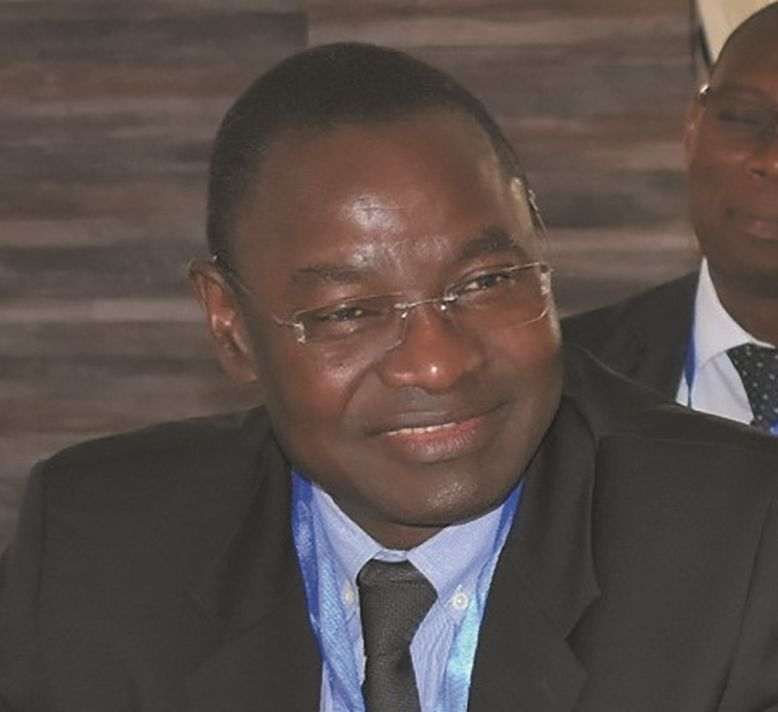
Interview with Professor Moustafa Mijiyawa, Minister of Health, Public Hygiene, and Universal Access to Healthcare. This professor of rheumatology has over 30 years of experience in patient care, medical education, physiotherapy, and prosthetics and orthotics in Togo. and internationally.
What are the main areas of health policy in Togo?
The health policy implemented in recent years, supported by the National Development Plan and aligned with the government's roadmap, aims to establish a resilient, robust, and universally accessible healthcare system. The creation of a delegated ministry responsible for universal access to healthcare aims to ensure universal healthcare coverage, particularly for the most vulnerable populations, in the name of the principles of equity and solidarity, in accordance with Axis 1 of the National Development Plan, relating to the preservation of peace, harmony, and social inclusion.
The various actions carried out concern the training and recruitment of staff, the construction/rehabilitation and equipment of infrastructure, the increase in the budget allocated to health, and the reform of the management method of health facilities.
How are healthcare personnel trained and recruited?
Each of Togo's six health regions has a paramedical training school. Since 2018, nursing and midwifery schools have been added to the existing schools in Lomé, Kara, and Sokodé in Tsévié, Atakpamé, Kpalimé, and Dapaong. These institutions, affiliated with the two health sciences faculties in Lomé and Kara, provide training leading to a bachelor's degree in paramedical or obstetric sciences. The Faculty of Health Sciences in Lomé, opened in 1970, offers training in general medicine, pharmacy, odontostomatology, and around ten medical and surgical specialties. The University of Lomé's School of Medical Assistants offers six Master's-level programs. These institutions graduate approximately 1,000 students each year.
The health sector is one of the sectors that has benefited from the most recruitment competitions by the civil service over the past ten years. 5,850 employees were recruited through the seven competitions organized between 2008 and 2020.
What about infrastructure equipment?
The dilapidated and under-equipped infrastructure has led to significant rehabilitation and equipment efforts at 113 of the 700 public health facilities. University and regional hospitals have benefited from electrical and rehabilitation work and the provision of imaging and laboratory equipment. Solar electrification is being implemented in health centers through projects led by the Ministry of Energy. The desire to ensure better health coverage has motivated the construction of peripheral care units in remote areas. A high-end hospital, designed to address medical evacuations and be integrated into the rest of the health system, is under construction in Lomé.
Where is the reform of hospital management?
The concern for a perfect match between the resources made available to health facilities and the services provided has led the Government to undertake since 2017 a reform of their management method based on the contractual approach. This reform, implemented in seven hospitals, resulted in a drying up of sources of loss, an increase in turnover, and an improvement in care indicators (consultations, hospitalizations, procedures, additional examinations, patient satisfaction). The exact quantification of activities enabled by contractualization served as a basis for the establishment of a leasing system at the laboratory of the CHU-SO of Lomé, the number of examinations of which increased from 44 to 135. The contractualization, the extension of which is currently underway, paves the way for the vast project of equipment and construction of health facilities on the basis of a public-private partnership currently being set up.
Is universal health coverage effective?
A quality healthcare offering is a prerequisite for the success of universal health coverage. The implementation of health coverage in Togo was carried out in stages, each step enriched by the lessons learned from the previous one. It now covers a third of the Togolese population and broadly comprises three entities: the National Institute of Health Insurance for government employees; School Assur, a social assistance program for primary and secondary school students; and other initiatives affecting the private and informal sectors and involving organized groups and associations (artisans, farmers, etc.). The National Fund for Inclusive Finance (FNFI) offers subsidiary health insurance to its beneficiaries, who are covered for the repayment period of the loans obtained.
Many free initiatives have been carried out for years to benefit vulnerable populations: vaccinations, intermittent treatment of malaria, distribution of mosquito nets, subsidized caesarean sections, treatment of HIV/AIDS and tuberculosis, preventive and curative treatment of neglected tropical diseases, Wézou program covering free care for pregnant women.
All these initiatives are intended to blend into a harmonious and coherent melting pot of social protection, serving as the basis for the law on universal health coverage in Togo promulgated in November 2021.
How did you manage the fight against the Covid-19 pandemic?
The fight against the Covid-19 pandemic has been multifaceted and has included the establishment of bodies, the adoption of legal and institutional provisions, accompanying measures aimed at alleviating the burden of the socio-economic consequences of the pandemic, and the strengthening of the health system, through the construction of eleven centers dedicated to epidemics (two reference centers in Lomé and Kara, and 9 centers spread across the country), the provision of resuscitation equipment to the centers, and a vaccination strategy that has enabled the timely consumption of donated or purchased vaccines. The leadership of the Head of State has been decisive in the results achieved by Togo, both on the epidemiological and vaccination levels. As of February 10, 2022, 36% of people aged 18 and over have received at least one dose of vaccine, 28% of people aged 18 and over are fully vaccinated, 59,295 people aged 12 to 17 have received the first dose, and 403 the second dose. A key component of the vaccination strategy has been digitalization, which has enabled the Togolese to have a vaccination pass and, in Togo, to be the first country in sub-Saharan Africa whose Covid-19 vaccination certificate is recognized by the European Union.
Do you promote collaboration with the private sector for pharmaceutical production?
The improving business climate is fostering private initiatives that are benefiting the healthcare sector. The most striking example is the Do Pharma solution production plant, located 25 km from Lomé, in the Zio prefecture. It is a modernly equipped plant that produces 18 million bottles of solutions annually and meets international standards, with the aim of serving countries in the subregion.
Collaboration with the private sector in the healthcare sector is exemplified by the collaboration between the Ministry of Health and the Private Health Sector Platform. This collaboration allows for a shared vision of the healthcare sector and exchanges aimed in particular at strengthening orthodoxy in the practice of the profession.
The commitment and leadership of the Head of State were at the origin of the Lomé Initiative, launched on January 18, 2020 in partnership with the Brazzaville Foundation, as part of the fight against substandard and falsified medicines in Africa, in the presence of the Heads of State of Congo, Ghana, Gambia, Niger, Uganda and Senegal or their representatives.
A word of conclusion?
The prominent position given to the health sector by the Head of State is due to his political vision based on social inclusion and equity, and his firm conviction of the driving role of health in development. The efforts undertaken in the sector through major projects will help establish a structured and harmonious health system, capable of dealing with emergencies, epidemics, emerging diseases, and common ailments.